

Glazing
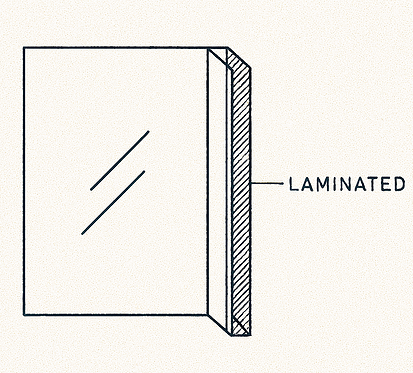
Laminated Glass
Laminated glass is made by bonding two or more layers of glass with an interlayer, typically made of PVB (polyvinyl butyral). This construction holds the glass together when shattered, enhancing safety and reducing the risk of injury. It also provides added sound insulation and UV protection, making it ideal for storefronts, windows, and doors in high-traffic or hurricane-prone areas.
Insulated Glass
Insulated glass units (IGUs) consist of two or more glass panes separated by a sealed air or gas-filled space. This design improves thermal performance, reducing heat transfer and enhancing energy efficiency. Commonly used in exterior windows and doors, insulated glass helps maintain comfortable indoor temperatures and minimizes outside noise.


Flat Glass
Flat glass is a basic, non-treated glass produced in smooth, uniform sheets. It serves as the starting point for many glass products and can be cut, tempered, laminated, or coated as needed. Flat glass is used in a variety of applications including windows, doors, furniture, and mirrors.
Low - E (Emissivity) Glass
Low-E glass features a thin, transparent coating that reflects infrared and ultraviolet rays while allowing natural light to pass through. This energy-efficient glass helps regulate indoor temperatures, reducing the need for heating and cooling. It’s ideal for buildings aiming to improve comfort and reduce energy costs without sacrificing visibility.


Fire Resistant Glass
Fire-protected glass is designed to resist high temperatures and prevent the spread of flames, smoke, and heat for a specific period of time. Often used in fire-rated doors, windows, and partitions, this glass helps maintain safety and structural integrity in the event of a fire. It complies with building code requirements for fire safety without compromising visibility.